My Top 7 Natural Material Activewear Brands | The Hidden Problems With Polyester Activewear
Updated: Jul 9
Polyester dominates the athletic apparel industry because it is inexpensive, durable, and easy to manufacture. However, polyester is a petroleum-based plastic fiber, and its production involves chemical additives, dyes, and finishing treatments.
Concerns about polyester workout clothing include:
Hormone-disrupting chemicals
Chemical absorption through the skin
Microplastic shedding
Environmental pollution
Because activewear sits tightly against the skin during sweaty workouts, exposure to these substances is even greater than with other clothing.
Synthetic Fabrics Contain Hormone-Disrupting Chemicals
Synthetic fabrics contain substances known as endocrine-disrupting chemicals (EDCs).
These chemicals interfere with the body’s hormone system by mimicking or blocking natural hormones.
Examples found in synthetic clothing include:
Phthalates – plasticizers linked to hormone disruption
Bisphenol compounds (BPA/BPS) – estrogen-mimicking chemicals
PFAS (“forever chemicals”) used for water resistance
Formaldehyde used for wrinkle resistance
Antimony, a heavy metal used to produce polyester
Studies show these chemicals are linked to:
Fertility issues
Hormonal imbalance
Thyroid disruption
Metabolic problems
Health-conscious consumers choose natural fiber clothing to reduce exposure.
Heat and Friction Increase Chemical Exposure
Exercise creates conditions that increase chemical transfer from fabrics to the skin.
When you work out:
Body temperature rises
Sweat increases skin permeability
Tight clothing causes friction
These factors allow chemicals present in fabrics to leach more easily onto the skin.
This is especially relevant for:
leggings
sports bras
compression clothing
underwear
These garments maintain close, prolonged contact with sensitive skin areas.
Synthetic Clothing Sheds Microplastics
One of the biggest environmental concerns about polyester clothing is microplastic shedding.
Microplastics are tiny plastic fibers that break off from synthetic fabrics during:
Wearing
Washing
Drying
Fabric friction
These particles are now found in:
Oceans and rivers
Soil
Household dust
Human blood, lungs, brains, and almost every organ of the body.
Some researchers believe synthetic clothing is one of the largest sources of microplastic pollution globally. Inside homes, these fibers can become airborne from joining the dust, meaning synthetic clothing contributes to microplastics in your air.
The Environmental Impact of Polyester
Synthetic fabrics also carry a significant environmental footprint.
Problems associated with polyester production include:
Petroleum extraction
Energy-intensive manufacturing
Toxic dye wastewater
Microplastic pollution
Non-biodegradable clothing waste
Natural fibers, by contrast, are biodegradable and renewable.
Why Cotton Should Be OrganicCotton is one of the most breathable and comfortable fabrics for clothing. However, conventional cotton farming uses large amounts of pesticides and insecticides. These chemicals can harm ecosystems and may remain as residues on fibers. Choosing organic cotton activewear reduces exposure to:
Organic cotton farming also supports:
|
Superwash Wool: Hidden Chemical Processing
Merino wool is one of the best natural performance fibers.
It is naturally:
odor resistant
moisture wicking
temperature regulating
breathable
However, some wool garments are labeled “superwash.”
Superwash wool undergoes chemical treatments that remove the fiber’s natural scales and coat the wool with synthetic polymers.
This allows wool to be machine washable but introduces chemical processing and sometimes plastic coatings.
For the healthy option, look for non-superwash merino wool.
Why Rayon and Viscose Aren’t Ideal
Rayon and viscose are often marketed as natural fibers because they originate from wood pulp.
However, they are semi-synthetic materials.
Manufacturing these fabrics requires chemical solvents that dissolve cellulose before it is spun into fibers.
Environmental concerns include:
toxic chemical use
industrial pollution
worker exposure risks
deforestation for pulp production
Although rayon begins as plant material, the heavy chemical processing makes it toxic just like synthetic materials.
Fabric Frequencies: Natural vs Synthetic Materials
Wellness discussions reference the vibrational frequencies of fabrics.
Measurements often cited include:
Material: | Approximate frequencies: |
|---|---|
Polyester | ~15 Hz |
Nylon | ~15 Hz |
Rayon/Viscose | ~15-20 Hz |
Cotton | ~100 Hz |
Linen | ~5,000 Hz |
Wool | ~5,000 Hz |
While this concept is debated scientifically, many people believe natural materials align better with the body’s natural energy.
Our Top 7 Brands
Imbōdhi, founded in 2016 by Carolina Saboya and Ariel Dubov, is a California-made activewear brand producing one‑piece essentials like onesies in Los Angeles and San Francisco using eco‑friendly plant‑based materials, deadstock, and recycled textiles, all crafted in a women-owned factory with a focus on ethical, low‑waste, local manufacturing. $15 credit when you use the link here.

Average price: ~$85 per set
100% Natural: No (90%+ plant-based)
Material composition: Tencel™ Lyocell, Organic Cotton, and small amounts of Spandex.
Based in: USA
Manufactured in: USA (San Francisco and Los Angeles)
Founded in Boulder, Colorado, Pact is known for its commitment to sustainability and ethical production, featuring certifications like GOTS (Global Organic Textile Standard) for its organic cotton and partnerships with Fair Trade factories.
Use code WORLDCHANGER15 for 15% off first purchase
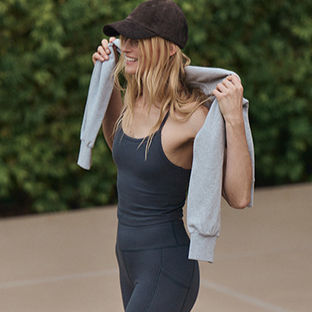
Average price: ~$70 per set
100% Natural: No (95% Organic Cotton)
Material composition: GOTS Certified Organic Cotton, 5% Elastane
Based in: USA
Manufactured in: India (Fair Trade Certified)
Mate the Label, founded in Los Angeles, manufactures its products locally within a 17-mile radius of its headquarters to reduce carbon footprint, with factories such as Mola Inc., Ghlee Apparel, and Grupo ITV Peru, each specializing in organic materials and ethical practices.

Average price: ~$150 per set
100% Natural: No (92% Organic Cotton)
Material composition: Organic Cotton Stretch (8% Spandex) or 100% Tencel options.
Based in: USA
Manufactured in: USA (Los Angeles) & Peru
Lezat is a California-founded brand that manufactures in the U.S. using natural materials and nontoxic dyes, operates as a certified Fair Trade business, and gives back by repurposing fabric scraps into dog beds for shelters and homeless pet owners in Los Angeles. Use code ROSALIE8 for a discount

Average price: ~$105 per set
100% Natural: Varies by piece (90%+)
Material composition: Organic Cotton, Recycled Cotton, and Silk blends.
Based in: USA
Manufactured in: USA (Los Angeles)
Indigo Luna, a sustainable brand founded in Australia, is dedicated to using natural materials, eco-friendly dyes, Fair Trade practices, recycled and GOTS-certified cotton, and offers a recycling program to promote mindful consumption.
Use the link here for 10% off entire purchase

Average price: ~$130 per set
100% Natural: Yes (for Organic Cotton/Linen lines)
Material composition: GOTS Organic Cotton, Linen, and Plant Dyes.
Based in: Australia
Manufactured in: Indonesia (Bali - Ethical/Small Batch)
Studio K, a woman-owned brand founded in Australia and operating in Bali, champions size inclusivity through its use of natural materials, eco-friendly dyes, and sustainable packaging. Use code ROSALIE10 for 10% off entire purchase

Average price: ~$135 per set
100% Natural: Yes (Biodegradable)
Material composition: Organic Cotton, Lenzing™ Ecovero™ (wood pulp).
Based in: Australia
Manufactured in: Indonesia (Bali - Woman-owned studio)
Founded in the US with a mission to provide sustainable, plant-based activewear. The brand uses Tencel fabric and is committed to non-toxic practices, as demonstrated by certifications such as Fair Trade, GOTS (Global Organic Textile Standard), and OEKO-TEX 100. Use code WORLDCHANGER for 10% off

Average price: ~$180 per set
100% Natural: No (93% Plant-based)
Material composition: Tencel™ (from Eucalyptus trees), 7% Spandex.
Based in: USA
Manufactured in: USA (NYC & Los Angeles)
Best Natural Materials for Activewear
If you want healthier workout clothing, these fabrics are excellent choices.
Organic Cotton ActivewearOrganic cotton is:
It is especially good for yoga, walking, and low-intensity workouts. | TENCEL™ (Lyocell)TENCEL™ is a sustainable fiber made from wood pulp using a closed-loop manufacturing process. Benefits include:
It is one of the most eco-friendly modern textiles. |
Hemp ActivewearHemp is one of the most sustainable fibers in the world. Benefits include:
Hemp clothing becomes softer over time while remaining strong. | Non-Superwash Merino WoolMerino wool is excellent for performance clothing because it:
Unlike polyester, it does not rely on chemical odor treatments. |
The Future of Natural Activewear
Consumers are increasingly looking for non-toxic clothing and plastic-free fashion.
As awareness grows about microplastics and endocrine disruptors, demand for natural fiber activewear is rising.
Brands are now experimenting with innovative fabrics made from:
hemp
regenerative cotton
wool
plant-based cellulose fibers
The future of athletic clothing may move away from petroleum plastics toward renewable, biodegradable materials.

Final Thoughts
Activewear sits directly on your skin during exercise, when heat and sweat may increase chemical exposure.
Synthetic fabrics like polyester may contain hormone-disrupting chemicals, shed microplastics, and contribute to environmental pollution.
Choosing natural materials like organic cotton, hemp, merino wool, and TENCEL™ can help reduce exposure to synthetic chemicals while supporting a healthier planet.
When buying activewear, remember to:
Choose organic cotton instead of conventional cotton
Avoid superwash wool coatings
Be cautious with rayon and viscose
Look for sustainably produced fibers
Natural fabrics are not only better for the environment—they may also be better for your body.
FAQ |
Is polyester bad for working out?
Polyester is commonly used in workout clothing, but it may contain chemical additives and sheds microplastics. Some people prefer natural fibers to reduce chemical exposure.
What is the healthiest fabric for activewear?
Many experts recommend natural materials such as organic cotton, hemp, merino wool, and TENCEL™.
Do synthetic clothes release microplastics?
Yes. Synthetic fabrics like polyester and nylon shed microscopic plastic fibers during wear and washing.
Is organic cotton better for clothing?
Organic cotton is grown without synthetic pesticides and fertilizers, making it better for the environment and potentially safer for sensitive skin.


The article is well structured and the ideas are expressed clearly. The approach used is balanced and takes different perspectives into account. I found it useful to compare this text with other resources I had read. It is hard to find texts that explain this topic with such clarity.